If you are looking for solar panels Brisbane homes and businesses can use well, the right system is about more than panel count or the lowest price.
A good solar system should suit your power use, roof space, energy needs, inverter needs, and any future plans for battery storage or EV charging.
At Solar Time Energy, we provide solar installation Brisbane services and solar and battery solutions for homes and businesses across Brisbane, the Gold Coast, and Ipswich.
Our aim is simple: recommend a solar system that fits how you use power now and later.
Why Brisbane Homes Choose Solar and Battery Storage
Brisbane is well suited to rooftop solar, but value depends on the design and on how much of the power you use.
During the day, solar panels make electricity your home or business can use right away.
Extra power may go to the grid, depending on your retailer and network rules. If you have a battery that fits your inverter, you may store some of that extra energy for later use.
A modern solar setup can include three main parts:
- Solar panels to make electricity
- A solar inverter to convert and manage that power
- A battery to store extra solar energy for later
Not every property needs the same mix, so good design should start with your real power use, not a standard pack.
What Size Solar System Do I Need?
One of the most common questions we hear is:
What size solar system should I install?
There is no single correct answer.
The right size depends on:
- Your power use
- When you use power
- Roof space
- Roof direction
- Shade
- Single-phase or three-phase power
- Whether you want a battery
- Future EV charging
- Household size
- Future power needs
Solar Time Energy offers a range of residential solar solutions, including about 6.65kW, 10.45kW, 13.32kW and 19.95kW systems.
6.65kW Solar System
This size can suit smaller homes with moderate power use.
It can be a practical first step into residential solar and may leave room for future battery storage, if the design allows.
10.45kW Solar System
Larger homes, home-based workers, homes with high daytime use, or families who plan to use more electric appliances may need a bigger system.
The right size should still be based on actual energy use, not on fitting as many panels as possible.
13.32kW Solar System
A system around this size may suit larger homes, high-use households and some small business sites.
It can also give extra solar generation for customers planning for battery storage, electric vehicles, pool gear or other higher-use appliances.
19.95kW Solar System
Large homes and businesses with heavy daytime use may benefit from a system close to 20kW.
Commercial and larger home systems need careful checks of power use, roof area, electrical gear and network rules.
Big is not always best.
A right-sized system should suit the property and the way power is actually used.
Choosing Good Solar Panels
Solar panels sit outdoors for many years in Queensland heat, storms, rain and changing weather.
That makes product quality a key part of the purchase.
Solar Time Energy works with trusted brands and supplies high-efficiency solar panel options for Australian homes and businesses.
When comparing solar panels, look beyond wattage.
Important factors include:
Panel Efficiency
High-efficiency panels can make more power from less roof space, which helps when roof area is tight.
Product and Performance Warranty
Check both the maker’s product warranty and the long-term performance warranty.
They are not the same.
Maker Support
A solar system is a long-term purchase, so brand reputation and Australian support should be part of the choice.
System Design
Even top solar panels can underperform if the system is poorly designed.
Panel placement, direction, shade and inverter choice all affect output.
Why the Solar Inverter Matters
The inverter is one of the most important parts of a solar power system.
Solar panels make DC power, while Australian homes and businesses use AC power. The inverter changes that power into a usable form and helps track and manage system output.
Solar Time Energy uses established inverter tech, including SolaX and Sungrow systems.
When choosing an inverter, look at:
- System size
- Reliability
- Monitoring
- Warranty
- Battery fit
- Future expansion
- Single-phase or three-phase needs
If you may add a battery later, talk about it before the solar install. That can make the upgrade easier later.
Should I Add a Solar Battery?
Solar batteries are becoming a bigger part of home energy systems.
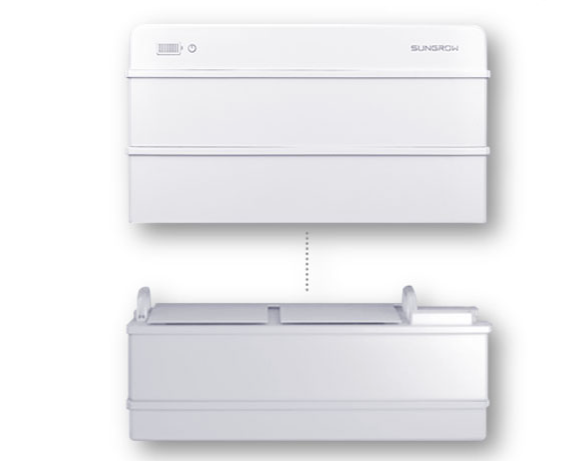
A solar battery lets systems with the right inverter store extra daytime solar power and use it later.
If you are comparing solar battery Brisbane options, we can look at storage size, inverter fit and backup needs.
Depending on the setup and home use, this can raise the share of power you use from your own solar.
Battery storage may suit homes that:
- Make lots of extra solar in the day
- Use more power in the evening
- Want higher self-use
- Expect higher power use later
- Want more control over when solar power is used
Backup power during a blackout is not automatic with every battery install. Backup depends on the battery, inverter, electrical design and install setup.
This should always be discussed during system design.
What Solar and Battery Incentives Are Available?
Eligible Australian solar installs may benefit from the Small-scale Renewable Energy Scheme, through Small-scale Technology Certificates (STCs).
STCs can lower the upfront cost of an eligible system when the right to create them is given as part of the install process.
Battery rebates have also become more important.
Under the Australian Government’s Cheaper Home Batteries Program, eligible small-scale battery installs linked to new or existing rooftop solar may get an upfront discount through the Small-scale Renewable Energy Scheme.
Government programs, STC values and who qualifies can change.
Solar Time Energy recommends checking the current program rules and getting a case-by-case review rather than assuming a set rebate amount.
Any rebate, incentive or savings estimate depends on eligibility and your own situation and should not be treated as guaranteed.
Solar for Brisbane Businesses
Solar is not just for homes.
Businesses with strong daytime power use can also benefit from commercial solar, because much of the power made during business hours may be used on site.
Commercial solar may suit:
- Offices
- Warehouses
- Workshops
- Retail businesses
- Manufacturing plants
- Commercial buildings
- Community groups
Commercial system design should look at the business load pattern, roof space, operating hours, electrical setup and future power needs.
For some businesses, battery storage and EV charging may also be part of a wider energy plan.
Solar and EV Charging
Electric vehicles are changing how Australian homes think about power.
If you already own an EV — or may buy one in the next few years — it makes sense to plan EV charging when you design your solar system.
Solar Time Energy provides EV charging station installation for residential and commercial customers.
Planning solar, battery storage and EV charging together can help make sure the full electrical system is built for future needs, instead of adding each part one by one.
What Should Be Checked Before Installing Solar?
Before recommending a solar system, several things should be checked.
Your Electricity Bill
Your current power use gives a good starting point for system size.
Your Roof
Roof direction, usable space, pitch, roof type and shade can affect panel placement and expected solar output.
Your Power Use Pattern
Two homes using the same amount of power can need very different solar plans.
A home that uses most of its power in the day may use solar differently from one that uses most power after sunset.
Your Future Plans
Think about whether you may add:
- Battery storage
- An electric vehicle
- EV charging
- Electric hot water
- Pool gear
- Extra air conditioning
- More people in the home
A solar system should not only fit today’s power needs. Where practical, it should also plan for future energy use.
Why Choose Solar Time Energy?
Solar Time Energy is based in Brisbane and provides solar and battery solutions for local homes and businesses.
We focus on good equipment, the right system design and clear customer support.
Local Brisbane Team
We service Brisbane and nearby areas, including the Gold Coast and Ipswich, with local support before and after install.
Trusted Solar Technology
We work with known solar brands including LONGi, SolaX and Sungrow.
Battery-Ready Solutions
Where it makes sense, systems can be designed with future battery expansion in mind.
10-Year Workmanship Warranty
Our residential solar packages include a 10-year workmanship warranty, giving customers extra confidence in their install.
Clear Advice
We believe solar advice should be based on your property, power use and goals — not just the biggest system on offer.
Supporting Our Local Community
Solar Time Energy is also proud to support the local community, including our sponsorship of the Runcorn Rockets Basketball Club.
For us, being a local solar company means being part of the community we serve.
Frequently Asked Questions About Solar Panels in Brisbane
Are solar panels worth installing in Brisbane?
Solar can be a good choice for many Brisbane homes and businesses, especially where much of the solar output can be used on site.
The result depends on system price, power use, solar output, tariffs, feed-in rates and other personal factors.
How many solar panels do I need?
The number of panels depends on panel wattage, the system size you want, roof space and your power needs.
Rather than starting with a fixed panel count, we suggest starting with your power use and your property.
Can I add a battery to an existing solar system?
Often, yes.
But fit depends on your current inverter, system setup, electrical layout and the battery you want to use.
An assessment is best before you buy a battery.
Do solar panels work when it is cloudy?
Yes. Solar panels can still make power under cloudy skies, although output is usually lower than in strong sun.
Can solar panels power my home during a blackout?
A standard grid-tied solar system normally does not give backup power during a grid outage.
Backup usually needs a battery and backup gear set up for that job.
Can I charge an EV using solar?
Yes.
Depending on your solar output, charger, electrical setup and vehicle, solar power can be part of your EV charging plan.
Planning solar and EV charging together can help improve the system design.
Are solar rebates guaranteed?
No.
Government incentives and STC benefits depend on the rules, the program and market conditions.
Always check the current rules before you buy.
Get a Free Solar Assessment in Brisbane
Choosing solar should start with your home or business — not with a price list.
Solar Time Energy can review your power use, property, future battery needs and energy goals before recommending the right solar solution.
Whether you are looking at solar panels, a solar battery, an inverter upgrade or EV charging, our Brisbane team can help you understand your options.
Get a free solar assessment from Solar Time Energy and find a solar solution built around the way you use energy.